


Common skin conditions affect millions of people every day from infants to the elderly and yet most people don’t know what they’re dealing with until symptoms become hard to ignore. Your skin is the largest organ in the body, and it works constantly to protect you from the environment. When something goes wrong, it shows. Understanding the most common skin conditions, their causes, and how to manage them can help you act early, stay calm, and know when to seek professional care.
1. Acne
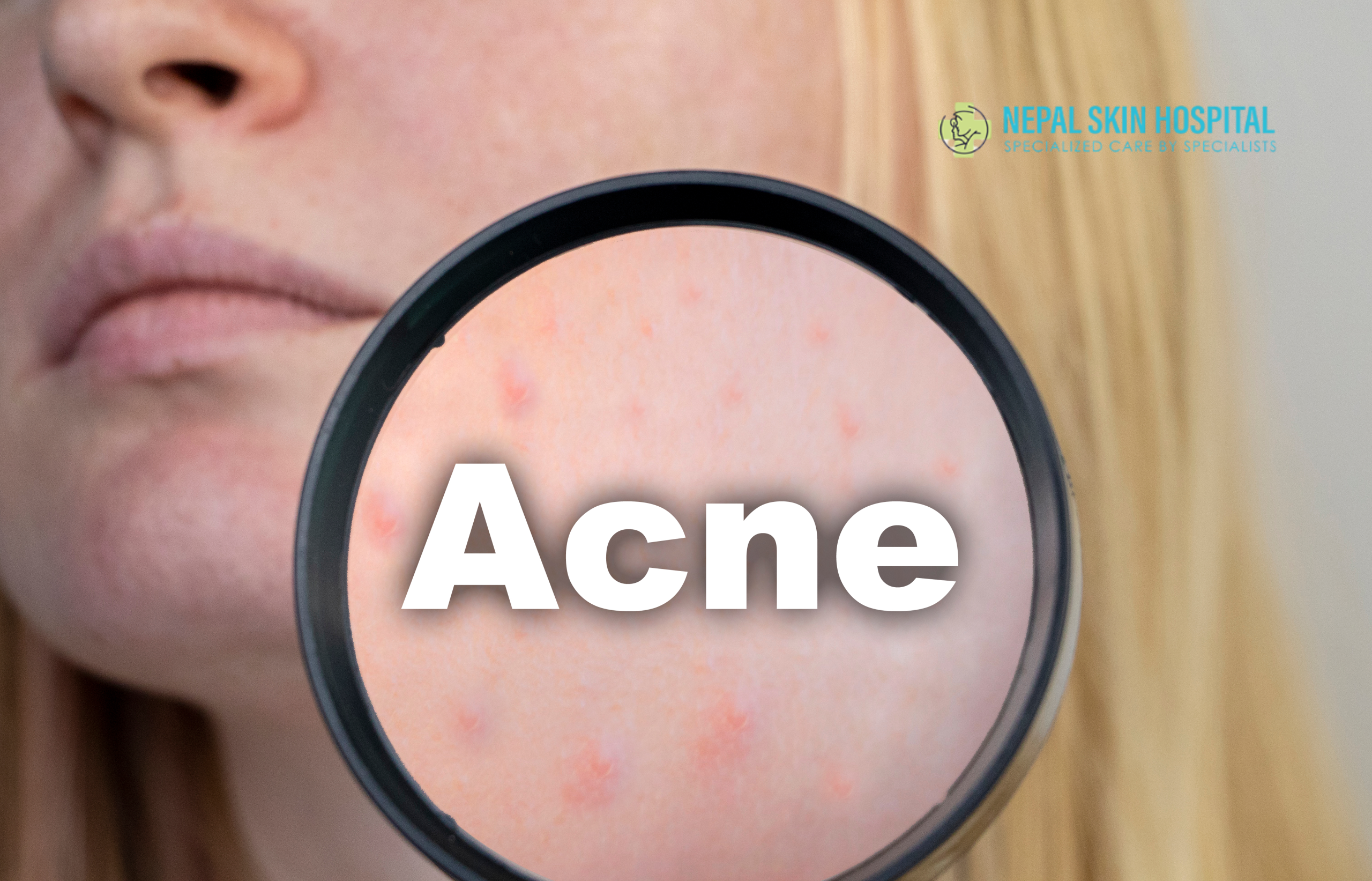
Acne is one of the most common skin conditions, affecting people across all age groups, though it peaks during the teenage years. It develops when hair follicles become clogged with excess oil and dead skin cells, leading to whiteheads, blackheads, or deeper inflamed pimples. Hormonal changes, stress, diet, and certain medications can all trigger or worsen breakouts.
How to manage acne
- Wash your face gently twice a day with a mild, non-comedogenic cleanser.
- Avoid scrubbing, squeezing, or picking at spots, this worsens inflammation and can cause permanent scarring.
- Stay hydrated, maintain a balanced diet, and manage stress levels.
- For persistent or severe acne, consult a dermatologist for prescription-strength options.
2. Eczema (Atopic Dermatitis)
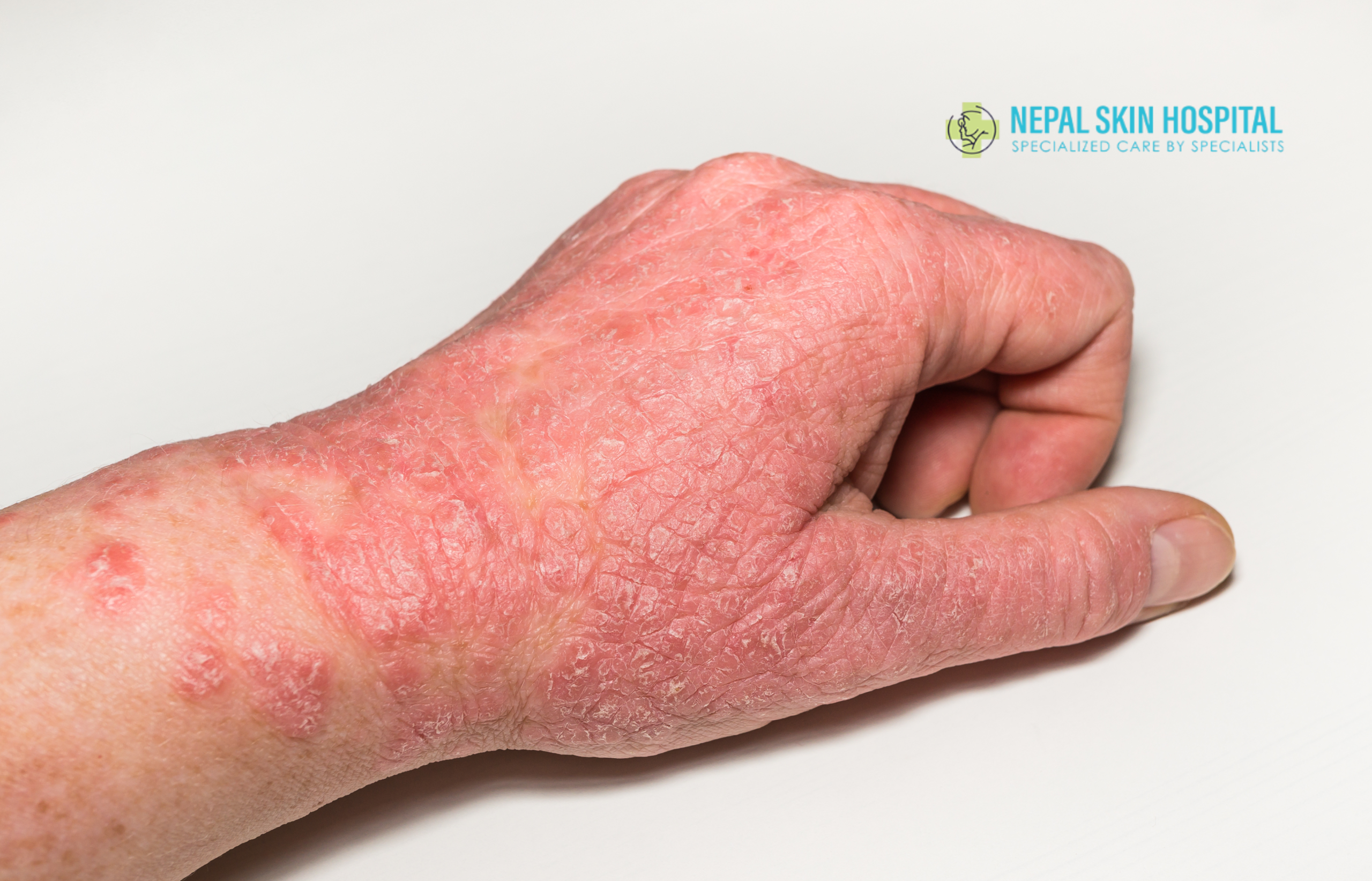
Eczema is a chronic condition that causes the skin to become dry, red, itchy, and inflamed. It is one of the most common skin conditions in children, though adults are also affected. It often occurs alongside allergies and asthma and tends to run in families. Triggers include soaps, fragrances, certain fabrics, sweat, cold air, and stress.
How to manage eczema
- Moisturize the skin regularly, especially after bathing, to lock in hydration.
- Use fragrance-free, gentle soaps and laundry detergents.
- Wear soft, breathable fabrics such as cotton.
- Identify personal triggers and avoid them as much as possible.
- During flare-ups, cool compresses can provide relief. Seek medical advice if flares are frequent or severe.
3. Psoriasis
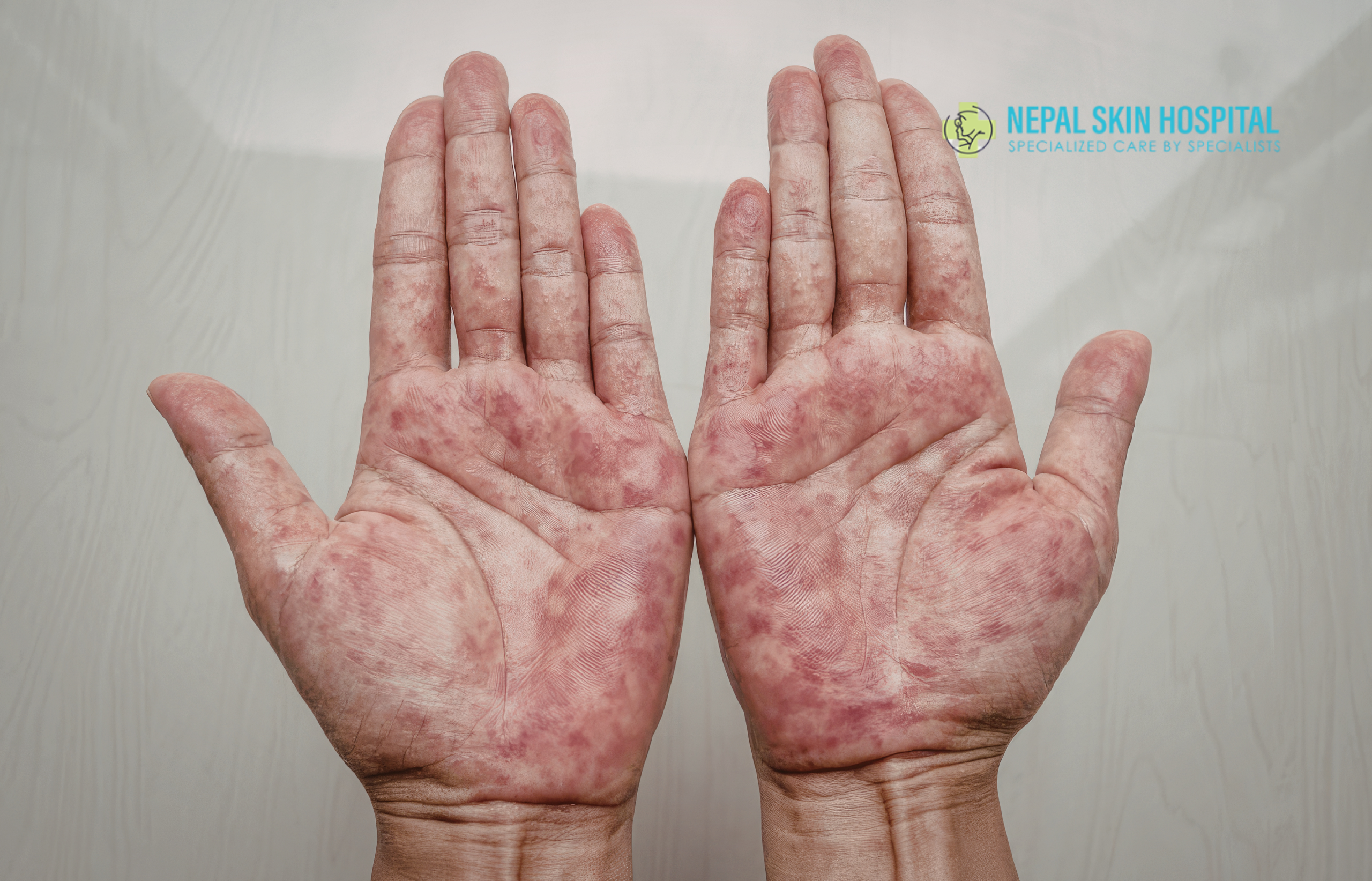
Psoriasis is a long-term immune-related skin condition that causes skin cells to multiply up to ten times faster than normal. This leads to a build-up of cells on the skin’s surface, forming red, scaly patches most commonly found on the elbows, knees, scalp, and lower back. Psoriasis is not contagious, but it can significantly impact quality of life. Stress, infections, and certain medications can trigger flares.
How to manage psoriasis
- Keep skin well-moisturized to reduce flaking and discomfort.
- Reduce stress through regular exercise, meditation, or relaxation techniques.
- Moderate sun exposure may help improve symptoms, but always avoid sunburn.
- A dermatologist can recommend highly effective medical treatments, including topical creams and light therapy.
4. Fungal Skin Infections
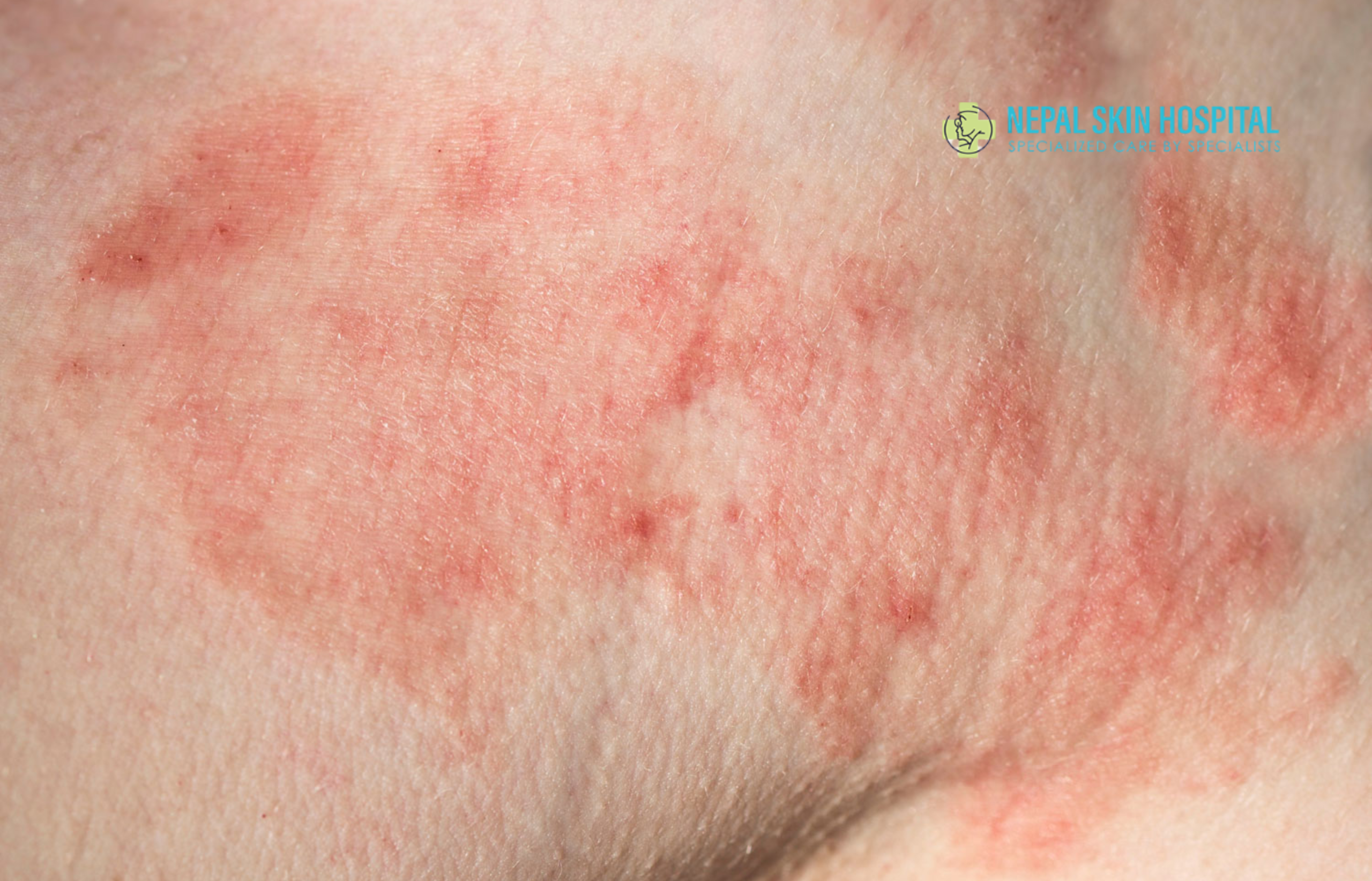
Fungal infections are among the most common skin conditions seen in warm and humid climates. They include ringworm, athlete’s foot, and jock itch, all caused by fungi that thrive in moist, warm areas of the body. Despite the name, ringworm is entirely fungal (no worm involved) and appears as a ring-shaped, scaly rash. These infections spread easily through skin contact or shared surfaces.
How to manage fungal infections
- Keep skin clean and thoroughly dry, especially between the toes and in skin folds.
- Wear breathable clothing and footwear.
- Avoid sharing towels, socks, or personal items.
- Most fungal infections respond well to antifungal treatments available at pharmacies.
5. Hives (Urticaria)
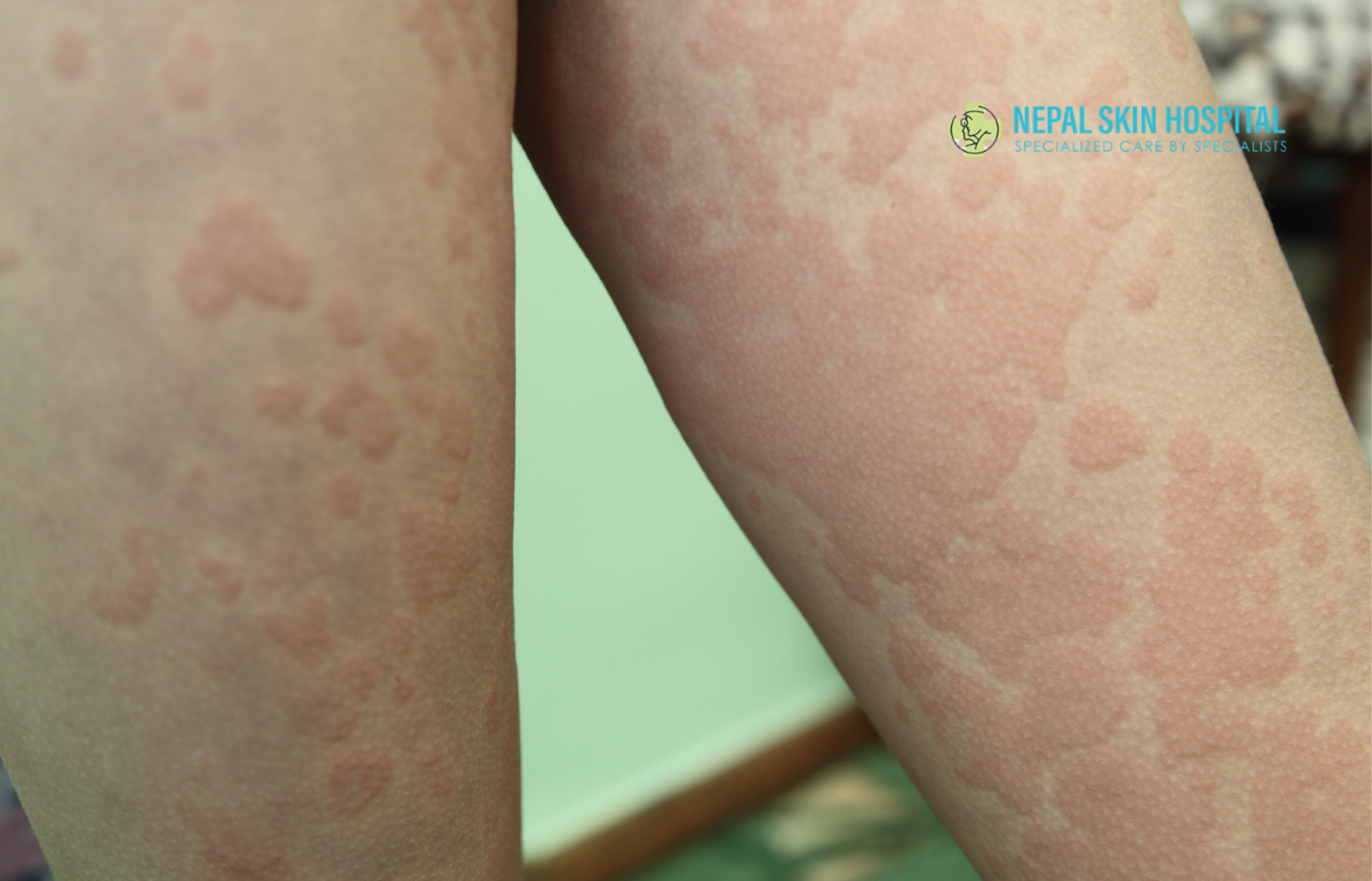
Hives are raised, itchy welts that appear suddenly on the skin and can range from small spots to large patches. They are usually triggered by allergic reactions to food, medication, insect stings, or even emotional stress. Most cases resolve within a few hours to days. However, chronic hives that persist beyond six weeks should be evaluated by a doctor.
How to manage hives
- Identify and avoid known triggers, common culprits include shellfish, nuts, eggs, and certain medications.
- Antihistamines can relieve itching and reduce welts.
- Apply a cool, damp cloth to soothe irritated areas.
- Seek emergency care immediately if hives are accompanied by throat swelling, difficulty breathing, or dizziness.
When Should You See a Doctor?

While many mild common skin conditions can be managed at home, you should consult a dermatologist or healthcare professional if:
- The condition spreads rapidly or covers a large area of the body.
- Symptoms do not improve within one to two weeks of home care.
- You experience pain, swelling, fever, or discharge from the affected area.
- A mole or skin growth changes in size, shape, or colour.
- The condition is affecting your mental health or daily quality of life.
Final Thoughts
Common skin conditions are just that, common. They affect people of every age, background, and skin type. The good news is that with awareness, simple daily habits, and timely professional care, most skin conditions are entirely manageable. Stay hydrated, protect your skin from harsh environmental factors, and listen to what your skin is telling you. When in doubt, a qualified dermatologist can provide the clarity and care you need.