

Introduction
You wake up. You wash your face. By lunchtime, your skin is shiny again.
Sound familiar?
If you have oily skin, you know the struggle. No matter what you do, the shine comes back. And it can feel like nothing works — not even washing your face.
But here is something most people do not know: the face wash you are using might actually be making things worse. Using the wrong cleanser — or even washing too often — can trigger your skin to produce even more oil.
The best face wash for oily skin is not just about stripping away grease. It is about balancing your skin so it stops overproducing oil in the first place.
In this guide, you will learn exactly what to look for in a face wash for oily skin, which ingredients work best, which ones to avoid, and how to use it correctly. Let’s get into it.
Why the Right Face Wash Matters for Oily Skin
Not all face washes are made the same. Some are too harsh. They strip your skin of everything — including the natural oils your skin actually needs.
When your skin gets stripped, it panics. It thinks it is too dry. So it produces even more sebum (the natural oil your skin makes) to compensate. This is called rebound oiliness. And it makes things worse.
On the other end, some face washes are too gentle. They are made for dry or sensitive skin. They do not remove excess oil well at all. So your pores stay clogged and your skin stays shiny.
The best face wash for oily skin sits in the middle. It removes excess oil and dirt without stripping the skin. It keeps your skin clean, balanced, and calm.
The right formula will:
- Remove excess sebum without drying out your skin
- Unclog pores to prevent blackheads and breakouts
- Leave skin feeling fresh and matte — not tight or squeaky clean
- Prepare your skin to absorb the rest of your skincare routine better
Getting your cleanser right is one of the most important steps in any skincare routine. Everything else builds on top of it.
What to Look for in the Best Face Wash for Oily Skin
When you are shopping for a face wash for oily skin, you need to look beyond the packaging. The ingredients list tells you everything.
Best Ingredients to Look For
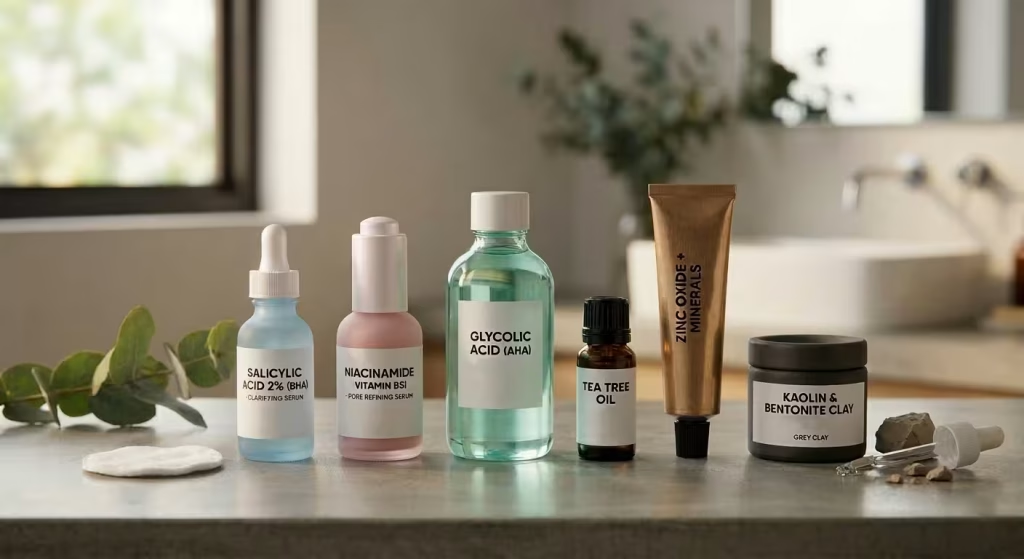
These ingredients are proven to work well for oily and acne-prone skin:
Salicylic Acid (BHA)
Salicylic acid is one of the best ingredients you can find in a face wash for oily skin. It is a beta-hydroxy acid (BHA) that goes deep into your pores. It dissolves the oil and dead skin cells that clog them.
Regular use helps prevent blackheads, whiteheads, and breakouts. It also has mild anti-inflammatory properties, which helps calm redness. Look for 0.5% to 2% salicylic acid in your face wash.
Niacinamide (Vitamin B3)
Niacinamide is a multi-tasking ingredient that works brilliantly for oily skin. It regulates sebum production, which means your skin produces less oil over time. It also minimizes the appearance of pores and brightens uneven skin tone.
Niacinamide is gentle enough for daily use. It works well in cleansers but is even more powerful in serums and moisturizers used after cleansing.
Glycolic Acid (AHA)
Glycolic acid is an alpha-hydroxy acid that exfoliates the surface of your skin. It removes dead skin cells that can build up and make pores look larger. It also helps improve skin texture over time.
It works best in a leave-on product, but low concentrations in a face wash can still help keep skin clear and bright.
Tea Tree Oil
Tea tree oil has natural antimicrobial and anti-inflammatory properties. It helps fight the bacteria that contribute to breakouts. It is a good option if your oily skin is also prone to acne.
It can be drying in high concentrations, so look for it as a supporting ingredient, not a hero one.
Zinc
Zinc helps control sebum production and has anti-inflammatory benefits. It is commonly found in face washes made for oily or acne-prone skin. It is also gentle and well-tolerated by most skin types.
Kaolin or Bentonite Clay
Clay is a natural oil absorber. It draws out excess sebum and impurities from pores without being harsh. Clay-based face washes are great for deep cleansing on days when your skin feels especially congested.
Ingredients to Avoid
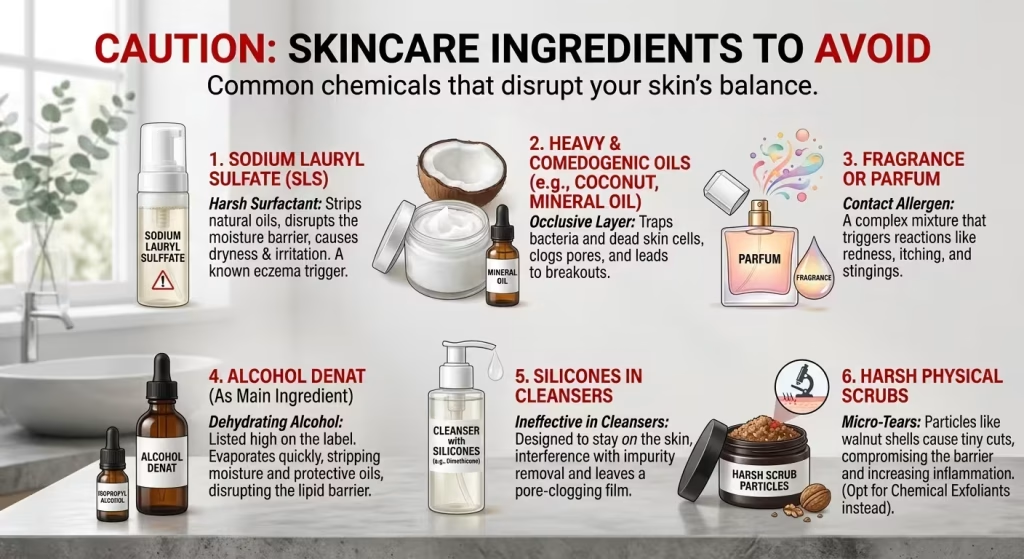
Some ingredients in face washes can make oily skin worse. Try to avoid these:
- Sodium lauryl sulfate (SLS) in high amounts — can over-strip the skin, triggering more oil production
- Heavy oils like coconut oil or mineral oil — too rich for oily skin and can clog pores
- Fragrance or parfum — can irritate skin and cause inflammation or breakouts
- Alcohol denat as a main ingredient — dries skin aggressively, leading to rebound oiliness
- Silicones in cleansers — can leave a film that traps oil and debris in pores
- Harsh physical scrubs (walnut shell, apricot seed) — cause micro-tears and irritation
A clean, simple ingredient list is usually a good sign. The fewer the irritants, the better your skin will respond.
Types of Face Wash for Oily Skin
Face washes come in many different textures and formulas. Here is a breakdown of the most common types and how they work for oily skin.
Foaming Cleansers
Foaming cleansers are one of the most popular choices for oily skin. They lather up with water to create foam that lifts away oil, dirt, and makeup effectively.
They feel fresh and light after rinsing. They are good for people with very oily skin who need a deeper clean. Just make sure the formula is not too stripping — look for mild surfactants rather than harsh ones.
Best for: very oily skin, end-of-day cleansing after wearing makeup or sunscreen.
Gel Cleansers
Gel cleansers are lightweight and water-based. They cleanse well without creating heavy lather. They tend to be gentler than foaming cleansers while still removing excess oil effectively.
Many gel cleansers contain active ingredients like salicylic acid or niacinamide, making them great for treating oily and acne-prone skin at the same time.
Best for: oily to combination skin, morning cleanse, sensitive skin that needs a light touch.
Clay Cleansers
Clay cleansers use ingredients like kaolin or bentonite to absorb oil and pull out impurities from pores. They give a deep cleansing effect without being too harsh.
They can be slightly drying if used too often. Most people use them two or three times a week rather than every day.
Best for: deep-pore cleansing days, congested or combination skin, weekly deep clean.
Micellar Water
Micellar water is a no-rinse cleanser made of tiny oil molecules (micelles) suspended in water. It gently lifts dirt and light oil from the skin surface without stripping.
It is very gentle and works well as a first cleanse or for removing light makeup. But for oily skin, it works best as a first step before a proper gel or foaming cleanser — especially in the evening.
Best for: morning cleanse, travel, lazy evenings as a first cleanse.
How to Wash Your Face If You Have Oily Skin
Using the best face wash for oily skin is only half of the equation. How you use it matters just as much.
Follow these steps for the best results:
- Wet your face with lukewarm water. Hot water strips the skin. Cold water does not open pores. Lukewarm is the sweet spot.
- Apply a small amount of face wash — about the size of a coin. You do not need much. More product does not mean more clean.
- Gently massage it into your skin using circular motions for 30 to 60 seconds. Do not scrub hard. Let the ingredients do the work.
- Pay extra attention to the T-zone — the forehead, nose, and chin. This is where oily skin produces the most sebum.
- Rinse thoroughly with lukewarm water. Make sure no product is left behind, especially around the hairline and jawline.
- Pat your face dry with a clean towel. Do not rub — rubbing irritates skin and spreads bacteria.
- Apply the rest of your skincare routine straight away while skin is still slightly damp. This helps serums and moisturizers absorb better.
How often should you wash? Twice a day — morning and night — is ideal for oily skin. More than that can trigger rebound oiliness.
Common Mistakes People Make When Washing Oily Skin
Even with a great face wash, these common mistakes can stop you from getting good results.
Washing Too Often
More washing does not mean less oil. Washing more than twice a day strips your skin and signals it to produce more sebum. Stick to morning and night.
Using Water That Is Too Hot
Hot water feels like it is doing more. But it damages your skin barrier and triggers more oil production. Always use lukewarm water.
Skipping Moisturizer
Many people with oily skin skip moisturizer because they think it will make them greasier. This is one of the biggest skincare mistakes. Without moisture, skin overcompensates by producing more oil. Use a lightweight, oil-free gel moisturizer after cleansing every time.
Over-Exfoliating
Exfoliating is good. Over-exfoliating breaks down your skin barrier, causes irritation, and leads to more breakouts and more oil. If your face wash already contains salicylic acid or glycolic acid, you may not need a separate exfoliant every day
Not Rinsing Properly
Leftover cleanser sitting in your pores can cause irritation and breakouts. Rinse your face for at least 20 to 30 seconds to make sure everything is removed, especially around the hairline, nose, and jaw.
Using Body Soap on Your Face
Body soaps are made for thicker skin. They are far too harsh for your face. They strip the skin aggressively and cause dryness, which leads to — you guessed it — more oil production. Always use a face-specific cleanser.
Building a Simple Skincare Routine Around Your Face Wash
Your face wash is just the first step. What you do after cleansing matters a lot for managing oily skin throughout the day.
Here is a simple routine you can follow:
Morning Routine
- Cleanse — use your gel or foaming face wash to remove overnight oil and sweat
- Tone (optional) — a niacinamide or BHA toner helps balance skin and minimize pores
- Serum (optional) — a niacinamide or vitamin C serum for oil control and brightness
- Moisturize — a lightweight, oil-free gel moisturizer locks in hydration without grease
- Sunscreen — always finish with SPF 30 or higher. Use a matte or gel SPF made for oily skin
Evening Routine
- Double cleanse (if wearing sunscreen or makeup) — use a micellar water or cleansing balm first, then your regular face wash
- Exfoliate (2–3x per week) — use a BHA exfoliant like salicylic acid to keep pores clear
- Treat — apply any targeted treatments like a retinol or niacinamide serum
- Moisturize — a slightly richer but still oil-free moisturizer for overnight skin repair
- Consistency is the key. You will not see overnight results, but with the right face wash and a simple routine, most people notice less shine and fewer breakouts within 2 to 4 weeks.
Conclusion
Finding the best face wash for oily skin does not have to be complicated. You do not need an expensive product or a 10-step routine. You just need the right ingredients and the right habits.
Look for a non-comedogenic, oil-free face wash with ingredients like salicylic acid, niacinamide, or clay. Avoid harsh sulfates, heavy oils, and fragrance. Wash twice a day with lukewarm water, and always follow up with a lightweight moisturizer.
The goal is not to get rid of all your skin’s oil. A little sebum is healthy and protective. The goal is balance — skin that stays clean, clear, and calm throughout the day.
Stick with your routine. Give it at least two to four weeks. Small, consistent changes make the biggest difference in managing oily skin over time.
FAQ
Twice a day — once in the morning and once at night — is the ideal frequency for oily skin. Washing more than that strips your skin’s natural oils, which triggers it to produce even more sebum. If you feel oily during the day, use blotting papers instead of washing again.
Both can work well for oily skin. Foaming cleansers tend to give a deeper clean, making them great for end-of-day use or very oily skin. Gel cleansers are lighter and gentler, making them ideal for morning use or for combination skin. Many people with oily skin use a gel cleanser in the morning and a foaming one at night.
Yes. If your face wash is too harsh, it strips your skin’s natural moisture barrier. Your skin responds by producing extra oil to compensate. This is called rebound sebum production. Choosing a balanced, non-stripping cleanser formulated for oily skin prevents this reaction.
A toner is optional, but it can be helpful for oily skin. A toner with niacinamide helps control oil and minimize pores. A BHA toner with salicylic acid adds extra pore-clearing power. Avoid alcohol-heavy toners — they are too drying and cause the same rebound oil problem.
Yes, for most people. A face wash with 0.5% to 1% salicylic acid is gentle enough for daily use. Higher concentrations — around 2% — may be used daily if your skin tolerates it, but some people prefer to use higher-strength products every other day. If your skin feels dry or irritated, reduce frequency.
Not necessarily. One good face wash can work for both. However, many people use a lighter gel cleanser in the morning (since skin is not very dirty after sleeping) and a deeper foaming cleanser at night to remove sunscreen, makeup, and the day’s oil buildup. This two-product approach works well for oily skin.
No single product will permanently eliminate oily skin. Oil production is largely driven by genetics, hormones, and environment. But the right face wash, used consistently as part of a balanced routine, can significantly reduce shine, minimize breakouts, and help your skin stay more balanced throughout the day.